|
| Pickford & Fairbanks on their honeymoon |
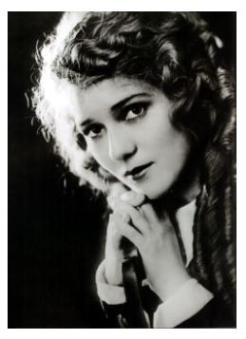
UK TOUR DAY THREE (LONDON): It was 1920. Mary Pickford was the most famous woman in the world. She'd been born in Toronto in the late 1800s: on University Avenue — where Sick Kids is now — and made her stage debut as a young girl at the prestigious Princess Theatre on King Street. Her early days here launched a career that took her all the way to Broadway and then to Hollywood where she became one the greatest silent film stars of all-time. She was at the height of her career in those early days of cinema when the movies were redefining what it meant to be famous. Her golden curls became a global icon. One columnist went so far as to call her "the most famous woman who has ever lived".
Now, Pickford had fallen in love with another one of the most famous movie stars ever: Douglas Fairbanks. They were married in a small, private ceremony outside Los Angeles. Their honeymoon would take them to England and to Europe. And it would be unlike anything the world had ever seen.
At first, the couple was worried about what people might think. Pickford had recently been divorced — a scandal back in those days. But they needn't have worried. The world was longing for good news after the horrors of the First World War. The idea of a real-life fairytale love story would do quite nicely.
It was raining when their ship docked at Southampton. But that didn't stop a huge crowd from gathering to greet the newly weds. It started before they even got off the boat. Airplanes flew by overhead, parachuting garlands of roses and sacks of fan mail onto the decks below. When the couple disembarked, it was chaos. Fans threw flowers. The stars were welcomed onto a dais with the mayor. An escort of 30 police officers was needed to get them safety through the crowd and into their waiting train.
That was nothing. London was up next.
It was a near riot when the train pulled into Waterloo Station. The crowd pushed through the barricades and surrounded the couple's carriage. When it finally did break free and made it all the way to Piccadilly — to the Ritz Hotel where Pickford and Fairbanks were staying, and where I left a dream for her during the Toronto Dreams Project's UK Tour — it was the beginning of a siege. Thousands of people crammed into the streets around the hotel, hoping to catch a glimpse of the couple. Traffic was staled for miles in all directions. They say even King George couldn't get by; his limousine had to wait a full twenty minutes before it could push through the crowd. The newly weds did their best to give the people what they wanted. They waved out their window to their fans. Fairbanks even climbed out onto a balustrade and straddled it like a hero.
It was a near riot when the train pulled into Waterloo Station. The crowd pushed through the barricades and surrounded the couple's carriage. When it finally did break free and made it all the way to Piccadilly — to the Ritz Hotel where Pickford and Fairbanks were staying, and where I left a dream for her during the Toronto Dreams Project's UK Tour — it was the beginning of a siege. Thousands of people crammed into the streets around the hotel, hoping to catch a glimpse of the couple. Traffic was staled for miles in all directions. They say even King George couldn't get by; his limousine had to wait a full twenty minutes before it could push through the crowd. The newly weds did their best to give the people what they wanted. They waved out their window to their fans. Fairbanks even climbed out onto a balustrade and straddled it like a hero.
 |
| The Ritz Hotel |
They say Fairbanks seemed to be enjoying himself, but Pickford was starting to get tired of it all. So at one point, on the advice of a doctor, they took a brief break from London, heading to a friend's house in the country. Even that didn't work. When Pickford opened her window in her nightgown, there was a crowd of admirers perched on the wall outside. They broke into applause.
Things finally came to a head at the Theatrical Garden Party. It was an annual event held in London on the grounds of the Royal Hospital in Chelsea. Celebrities were invited to organize tents, selling their wares for charity. Famous film stars told fortunes or sold hats or made tea to raise money for an orphanage.
But Pickford and Fairbanks were a whole new kind of famous. Never mind running a tent, they could barely even get out of their car. When they pulled up to the party in their Rolls Royce convertible, they were mobbed yet again. This time, as Pickford shook hands with her fans, they nearly pulled her from the vehicle. She lost her cloak. Fairbanks had to grab her by the ankles to keep her from being swallowed up and crushed. They were, said The New York Times, "besieged by all sides. Well dressed women seemed suddenly to have lost their heads... all mad to shake her hand... There was a frightened look on her face as the mob became more and more pressing in its attentions, and for a brief second or two she appeared to have been pressed down to the ground." As the police fought off the mob, Fairbanks swept in and lifted his new bride into his arms, up onto his shoulders, and rushed her inside the Garden Party.
The frenzy still wasn't over; the crowd followed them. In her Pickford biography, Eileen Whitfield describes the scene: "As hundreds of rioters crashed the turnstiles, Mary, to her horror, saw a branch approaching. She was winded by a limb and scratched before Fairbanks, on whom she perched, swooped down. Next, in a rare ungraceful moment, he crashed into a tent serving buns and jam and the canvas came down around their ears. Fairbanks emerged again, holding his bewildered bride..." They raced back to their car and sped off to safety. "Fans threw themselves at the hood, the doors, and the dashboard as they drove away."
Fairbanks later called it "a lynch mob — except that it was smiling." Pickford tried to be more diplomatic: "You British people are so wonderful," she said. "You don't do things by halves."
London was stunned. And embarrassed. As the newly weds headed off to continue their trip, letters flooded in to the city's newspapers. Editorials struggled to understand the new phenomenon. "Imagine," one wrote, "if at the heyday of Charles Dickens's popularity, when an impatient public waited eagerly for each instalment [sic] of his stories... all the humble heroines of his creation had suddenly come to town. Well, that is what has happened now."
But England was only the first stop on the honeymoon. Pickford and Fairbanks headed from there to the Continent, where in France and Italy and Switzerland, it was all the same. In Paris, Pickford had to hide among the carcasses in the freezer of a butcher shop to avoid being swarmed. She eventually had to climb out over the cages of meat. The newspapers compared the riots in France to the storming of the Bastille. Finally, the film stars gave up on daylight altogether. They did the rest of their sightseeing under the cover of darkness.
By the time they returned home to Beverly Hills, it was clear: modern celebrity culture had arrived.
But Pickford and Fairbanks were a whole new kind of famous. Never mind running a tent, they could barely even get out of their car. When they pulled up to the party in their Rolls Royce convertible, they were mobbed yet again. This time, as Pickford shook hands with her fans, they nearly pulled her from the vehicle. She lost her cloak. Fairbanks had to grab her by the ankles to keep her from being swallowed up and crushed. They were, said The New York Times, "besieged by all sides. Well dressed women seemed suddenly to have lost their heads... all mad to shake her hand... There was a frightened look on her face as the mob became more and more pressing in its attentions, and for a brief second or two she appeared to have been pressed down to the ground." As the police fought off the mob, Fairbanks swept in and lifted his new bride into his arms, up onto his shoulders, and rushed her inside the Garden Party.
The frenzy still wasn't over; the crowd followed them. In her Pickford biography, Eileen Whitfield describes the scene: "As hundreds of rioters crashed the turnstiles, Mary, to her horror, saw a branch approaching. She was winded by a limb and scratched before Fairbanks, on whom she perched, swooped down. Next, in a rare ungraceful moment, he crashed into a tent serving buns and jam and the canvas came down around their ears. Fairbanks emerged again, holding his bewildered bride..." They raced back to their car and sped off to safety. "Fans threw themselves at the hood, the doors, and the dashboard as they drove away."
Fairbanks later called it "a lynch mob — except that it was smiling." Pickford tried to be more diplomatic: "You British people are so wonderful," she said. "You don't do things by halves."
London was stunned. And embarrassed. As the newly weds headed off to continue their trip, letters flooded in to the city's newspapers. Editorials struggled to understand the new phenomenon. "Imagine," one wrote, "if at the heyday of Charles Dickens's popularity, when an impatient public waited eagerly for each instalment [sic] of his stories... all the humble heroines of his creation had suddenly come to town. Well, that is what has happened now."
But England was only the first stop on the honeymoon. Pickford and Fairbanks headed from there to the Continent, where in France and Italy and Switzerland, it was all the same. In Paris, Pickford had to hide among the carcasses in the freezer of a butcher shop to avoid being swarmed. She eventually had to climb out over the cages of meat. The newspapers compared the riots in France to the storming of the Bastille. Finally, the film stars gave up on daylight altogether. They did the rest of their sightseeing under the cover of darkness.
By the time they returned home to Beverly Hills, it was clear: modern celebrity culture had arrived.
-----
-----
 |
| A dream for Mary Pickford at the Ritz |
-----
Read more posts about The Toronto Dreams Project's UK Tour and the
connections between the history of Toronto and the United Kingdom here.
You can read some of Eileen Whitfield's Pickford biography, Pickford: The Woman Who Made Hollywood, on Google Books here. You can buy it here or borrow it from the Toronto Public Library here.
There are lots of great photos to accompany this post, but I haven't included them above because the places that have posted them have watermarked them and claim they own the copyright (although I'm pretty sure that's bullshit): at the Garden Party, the crowd outside the Ritz, waving from their window at the Ritz (which is exactly where I left the dream), arriving in London, in their car, plus the house where Mary Pickford was born on University Avenue, her with her family in Toronto, and her during her very first year performing in Toronto.
You can read some of Eileen Whitfield's Pickford biography, Pickford: The Woman Who Made Hollywood, on Google Books here. You can buy it here or borrow it from the Toronto Public Library here.
There are lots of great photos to accompany this post, but I haven't included them above because the places that have posted them have watermarked them and claim they own the copyright (although I'm pretty sure that's bullshit): at the Garden Party, the crowd outside the Ritz, waving from their window at the Ritz (which is exactly where I left the dream), arriving in London, in their car, plus the house where Mary Pickford was born on University Avenue, her with her family in Toronto, and her during her very first year performing in Toronto.
You can read newspapers reports from the honeymoon by The New York Times, The Daily Express, The Malborough Express and The Galveston Daily News. The New York Times also more about their time in Europe here.
I've got another post about Mary Pickford's life and career here.
I've got another post about Mary Pickford's life and career here.
 | This post is related to dream 04 The Silver King Mary Pickford, 1900 |